Persistent Parallels: Integrative Medicine and Transatlantic Birth Realities

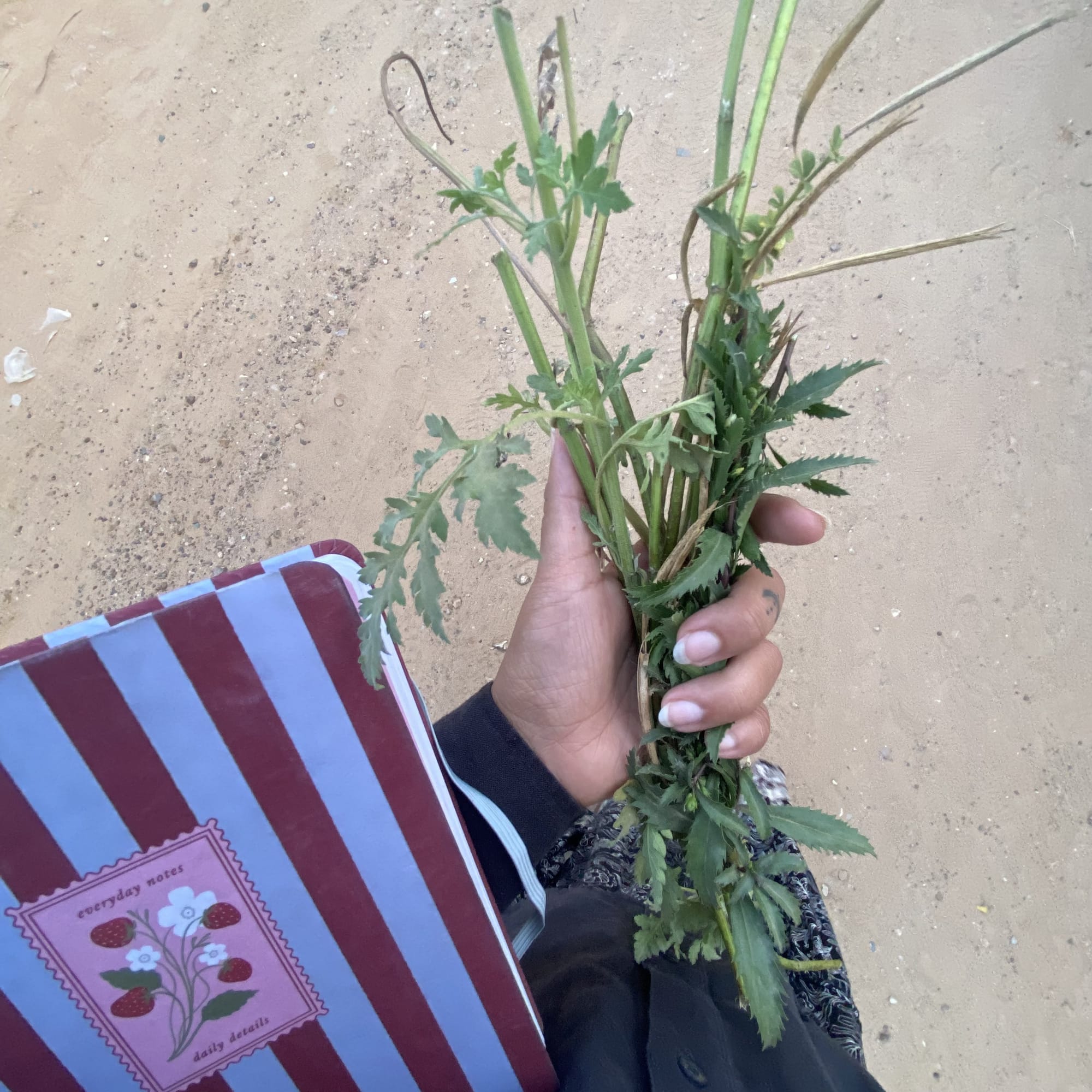
We followed on the heels of the Senegalese medicine man, leaning in with our notepads and voice recorders. He pointed towards a growing tree, a Moringa (Moringa oleifera), just a few feet tall with drooping branches, covered in feathering green foliage. He spoke in Wolof, a major indigenous language in the West African region. He explained that the leaves can be brewed into a tea, thus creating a suitable remedy for symptoms of iron deficiency.
On the coast of Somone, Senegal, a collective of us birth workers studied the science and spirituality behind West African traditional midwifery. Our group consisted of curious and practicing midwives and doulas living in scattered locations across the African diaspora. The two-week curriculum, hosted in mid-December of 2025, included lectures, immersive experiences, and guided tours - such as the one led by the local medicine man.
Naturally, our diverse backgrounds allocated for different routes of information gathering, scopes of practice, and licensure. Yet, when reflecting on the collaborative potential of integrative medical frameworks and the reality of transatlantic birthing experiences - parallels were nothing short of apparent.
The Evidence of Traditional Truths
Moringa’s popularity has led to researchers examining its potential benefits. In a 2023 prospective cohort study that took place in Indonesia, researchers observed the birth outcomes of two groups of pregnant women after administering two separate treatments to understand the effect of Moringa on oxidative stress. Oxidative stress, an imbalance of antioxidants and oxidants, is often associated with poor pregnancy outcomes such as premature births, hypertension due to pregnancy, or low birth weight, among others.
To conduct the observational study, one group of 30 pregnant women was given iron and folic acid pills, a standard treatment to prevent anemia. Another group of 26 was given the standard treatment in addition to 600 mg pills of Moringa extract to be taken during the study period.
Overall, this study did not find a statistically significant difference between the standard or standard plus Moringa treatments with respect to the birth weight or birth length of newborns. However, the researchers noted that the pregnant women who received the standard plus Moringa treatment had slightly lower levels of a biomarker, a measurable indicator of a system within living organisms, that is correlated with oxidative stress and suggested more research be done.
While social, biological, and geographical factors could potentially impact the possible benefits of an individual’s herbal treatment plan, including Moringa or other herbs, investigating the medicinal properties of these plants allows African indigenous knowledge to come to the forefront. These transgenerational remedies are now being transcribed into a compatible language for collaboration alongside the framework of modern medicine.
In a 1977 World Health Organization (WHO) meeting on the promotion and development of traditional medicine, experts who represented major systems of traditional medicine met to discuss policy, techniques, and the utilization of traditional medicine in national health services and research. Attending experts suggested that one of the greatest challenges complete, integrative healthcare systems face is the successful cohesion of medical frameworks that possess fundamental differences. In the summary report of the meeting, attendees recognized alternative care to possess traits such as an intrinsic nature, a foundation rooted in holistic treatment, and the appealing potential to be economically supportive to the possibility of universal health coverage for centuries to come. These traits encouraged their call to action towards conjoining universal systems of public health and education.
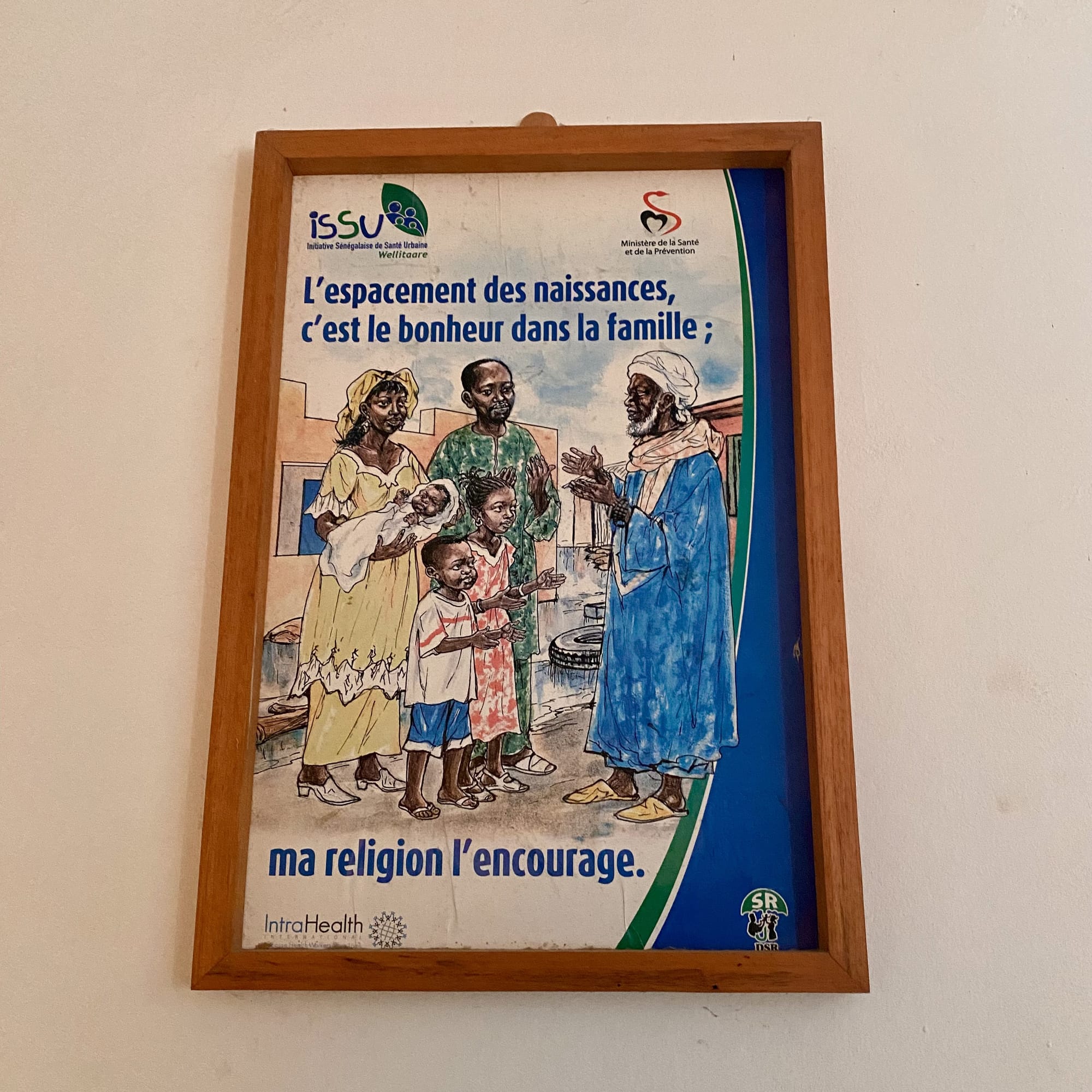
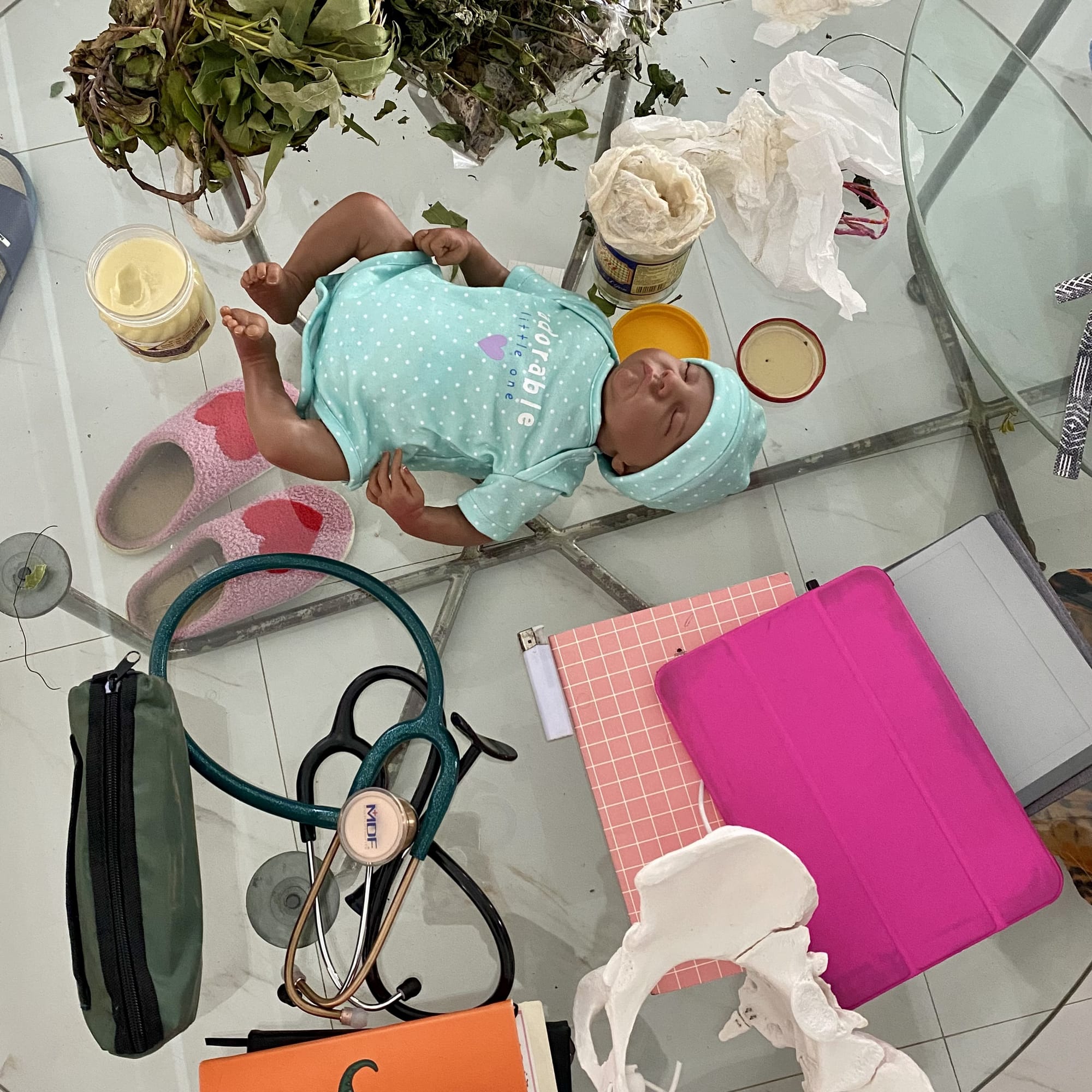
Africa’s Indigenous Knowledge Systems, also recognized as (IKS), refers to holistic frameworks of deeply rooted cultural and environmental contexts. These systems of beliefs and practices offer guidance as an individual navigates sectors of life, including government, technology, business, and medicine. Overall, systems within IKS offer a dynamic and adaptable approach to globally consistent matters, although some parts of these holistic frameworks may not be transcribable due to esoteric elements and secrecy.
With these attributes in mind, and in the efforts of a cohesive integration, it is well-worth investigating the longstanding history of communities that have successfully navigated healthcare matters by complete reliance on organic substances and social and religious belief systems. To achieve the fluid integration of a healthcare system that reflects culturally resonant practices, as well as data-driven research, a conscious examination of the historically innate relationship between science, society, and medicine is essential.
“Things Are Just Different Now”: Science and Society
For traditional healers in the rural Black South of the 20th century, when medicine experienced rapid modernization, a significant change in society became obvious. African and African-American elders began to see the beliefs and practices that sustained previous generations disappear. However, this is not in denial of the efficacy and evidence-based approach medical science insinuates. The advancement of medicine has contributed to greater accessibility and a wider range of diagnostic options, but it also required the dismantling of previously revered healing systems. This impact has led to the growing separation between individuals and the ancestral knowledge, self-reliance, and traditional practices that once connected them to their environments and collective healing systems.
As society evolves alongside scientific discoveries and cultural shifts, healthcare systems may benefit from new regulatory mechanisms rather than an isolated approach that favors one modality over the other. Some of this work is already underway.
In a study published in March 2026, researchers in China analyzed the current wave of patients transitioning from sole reliance on clinical support to including alternative approaches to their existing treatment plans. The study examined the Diagnosis-Intervention Packet (DIP) payment reform. This initiative was conducted to enhance cost efficiency in healthcare institutions by assigning fixed payment rates to cases categorized by diagnosis and treatment type. The design was built to incentivize healthcare institutions to monitor the cost control of treatments while also exposing patients to a wider range of relevant therapeutic modalities. By analyzing patient-level data from a Chinese integrative medicine hospital, their findings suggest that the DIP payment reform was effective in reducing the overall costs of conventional medicine. Unfortunately, the physicians and treatment pathways of traditional medicine faced the unintentional redistribution of excessive demand.
Allopathic physicians in the Chinese integrative medical hospital experienced an eclipse during the extreme redistribution of medical care. This is similar to the experience of 20th-century Black Southern traditional healers who were abruptly left behind when medicine experienced a radical pivot during technological introductions. The study demonstrates the potential repercussions a healthcare infrastructure faces when offering unequally yoked availability and accessibility; a pattern that has historically persisted. Without regulatory mechanisms in place, not only do medical institutions risk a lack of economic even flow, but physicians are faced with an unstable workload and patient care remains limited, regardless of expressed desires for access to diverse treatment modalities.
A medical system that is rooted in integration and equal opportunity allows individuals opportunities to deepen their relationship with their somatic self and environmental surroundings while providing a wider scope of employment opportunities for physicians with varying professional backgrounds. Furthermore, an integrative medical system creates potential economic relief for patient diagnosis and treatment plans - a benefit that can impact the trajectory of entire communities.
To achieve the balance necessary for a successful integration of contrasting frameworks, acknowledgement of the contributions from African and African-American communities towards medical discoveries and advancements is vital. Unfortunately, these same communities have historically experienced disproportionate disparities in healthcare access and treatment; the very medical frameworks their cultures, traditions and ancestors have influenced.
Transatlantic Birthing Realities
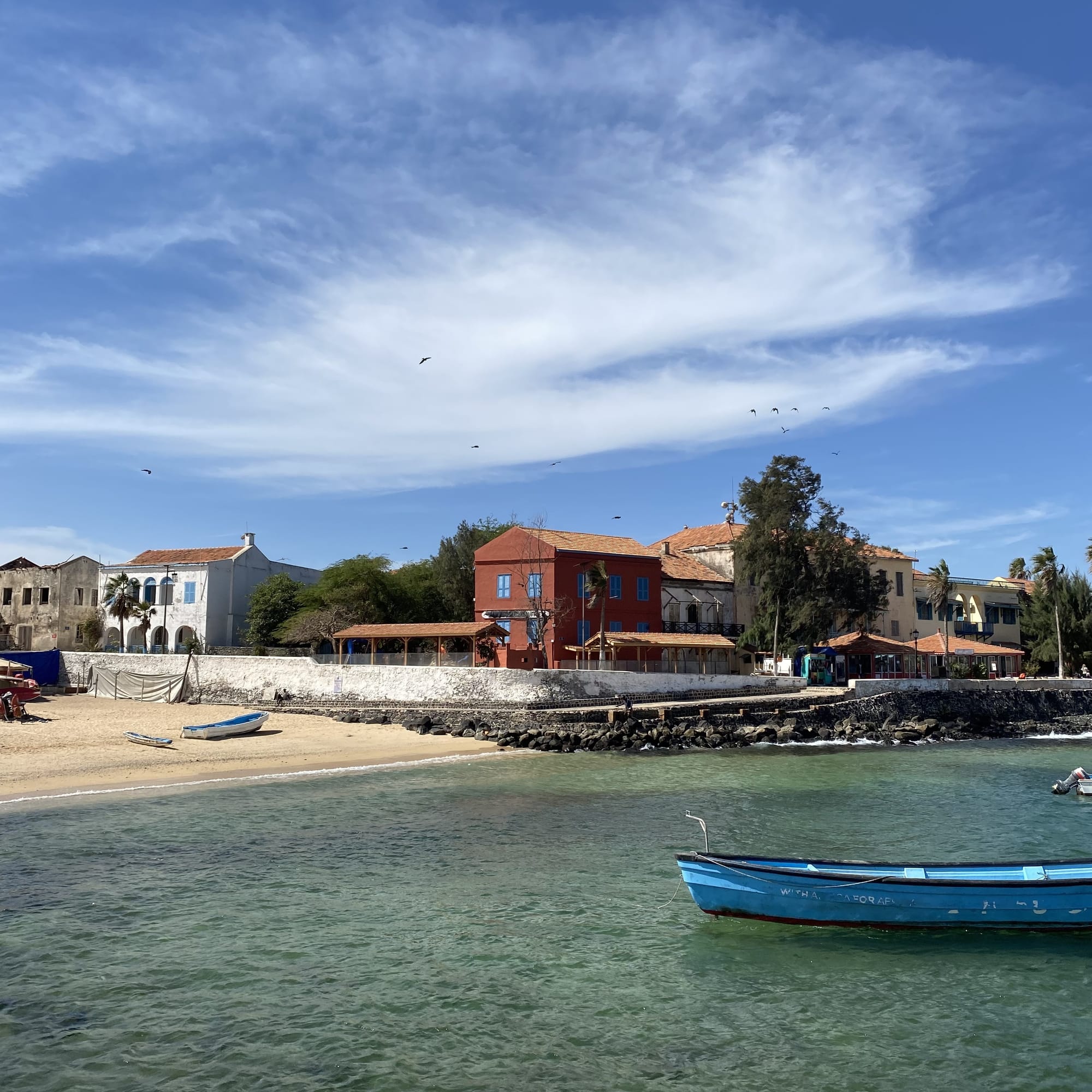
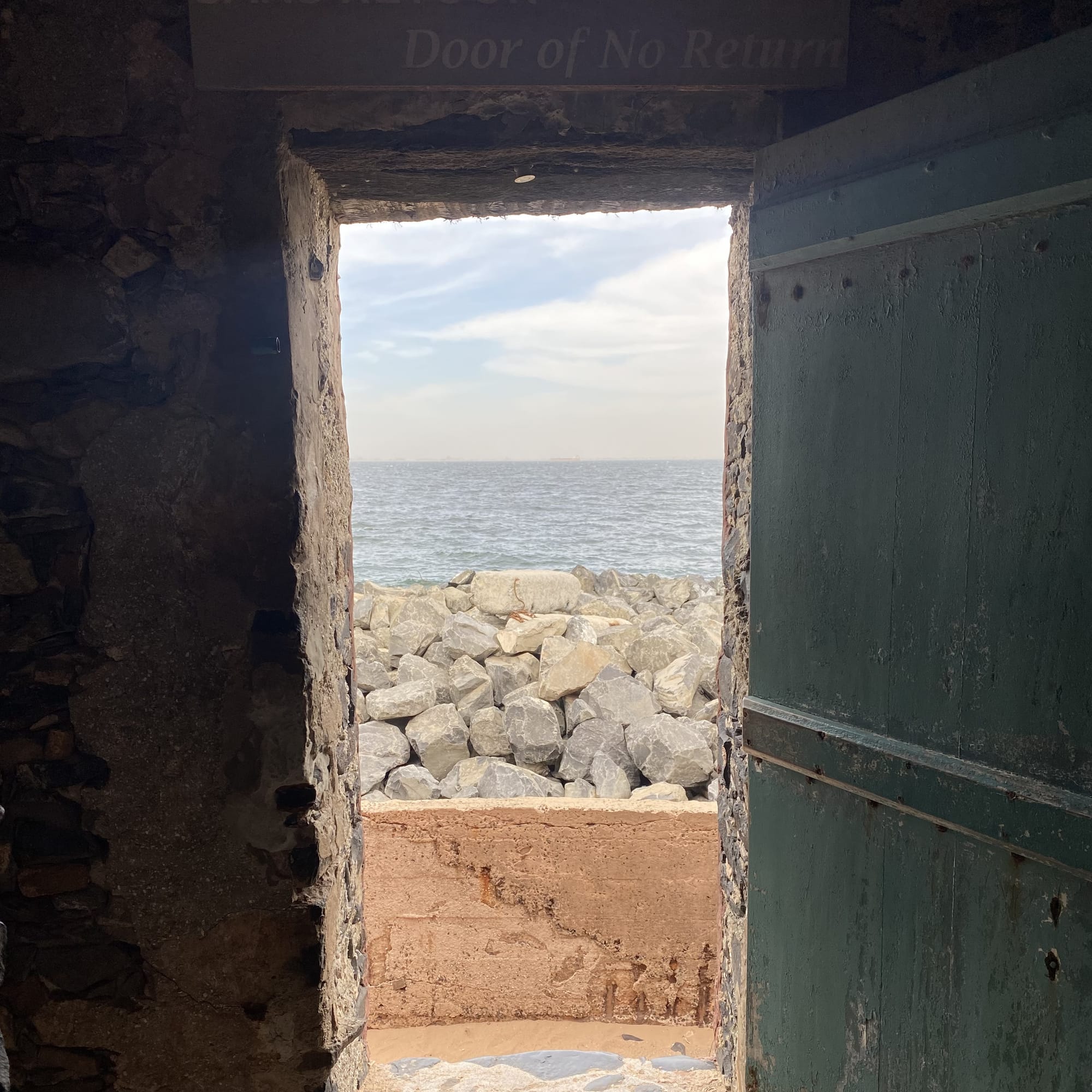
On the third morning of the cohort, we left Dakar, the capital of Senegal, for a short ferry ride. We spent the day at Gorée Island, previously a major slave-trade center from the 15th to 19th centuries. Today, the island is characterized by tourism, slave quarter infrastructures, and the ‘Door of No Return’, a memorial site symbolizing the final exit of enslaved Africans.
Our tour guide led us to the island’s birth facility, adjacent to the hospital, where the lead nurse continued. Huddled around the door, we observed the humbleness of the birth room. There was one window, one countertop and sink, a toilet in the corner, and two beds in case there were two active labors.
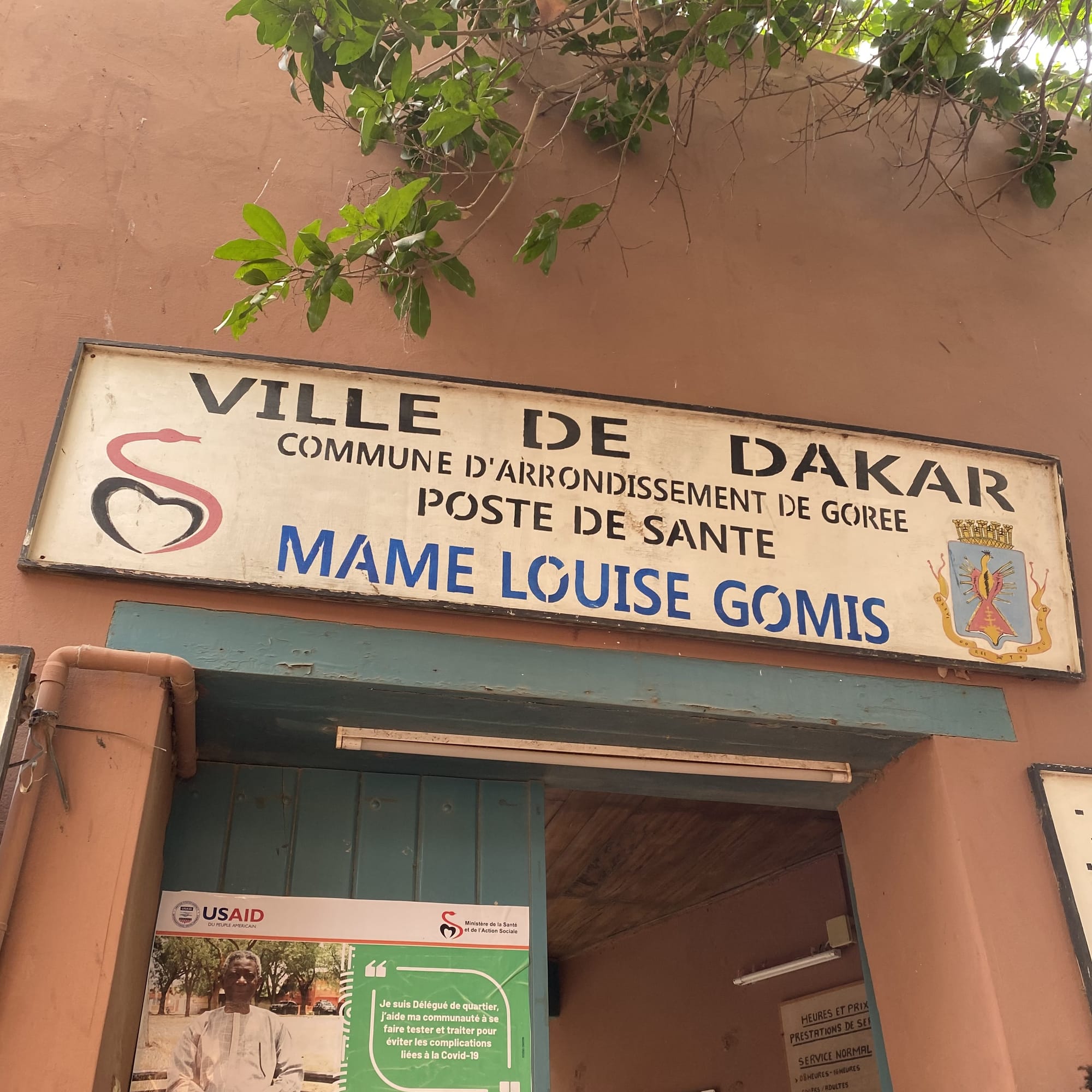
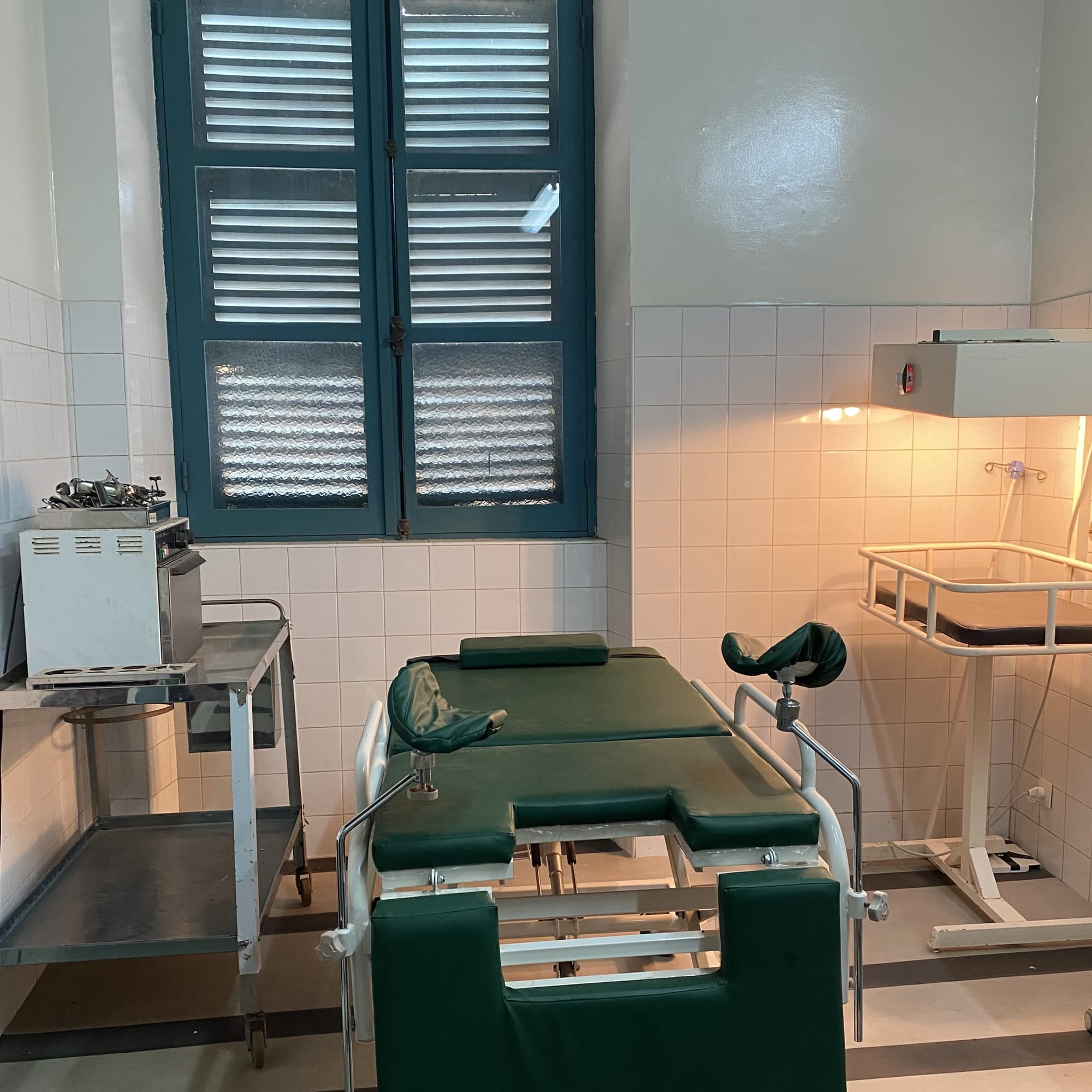
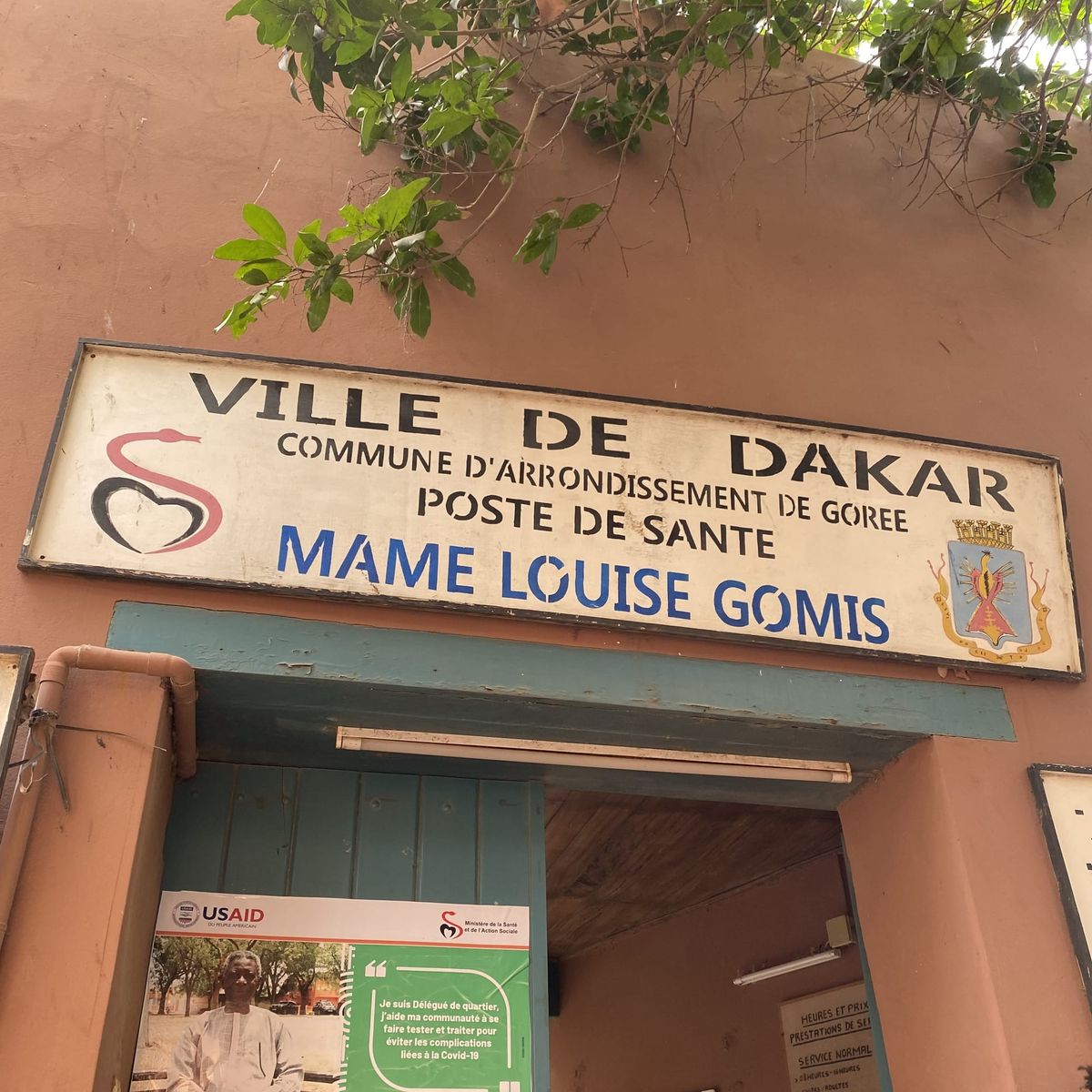
The nurse explained that he and one other nurse were on call for the entire island, with the infrequent visitations of long-term volunteer nurses who came in from inland. If, by chance, a third active labor needed support, the patient would be instructed to take the approximately 20-minute ferry to receive further medical attention inland at Dakar’s hospital.
It was clear that the interior of the birth room was sterile, as were the other birth facilities we eventually toured in the weeks to follow. Outside of the birth facility stood a sign with prescriptions and their costs. Many of the listed items I noticed were similar to popular pharmaceuticals in the US.
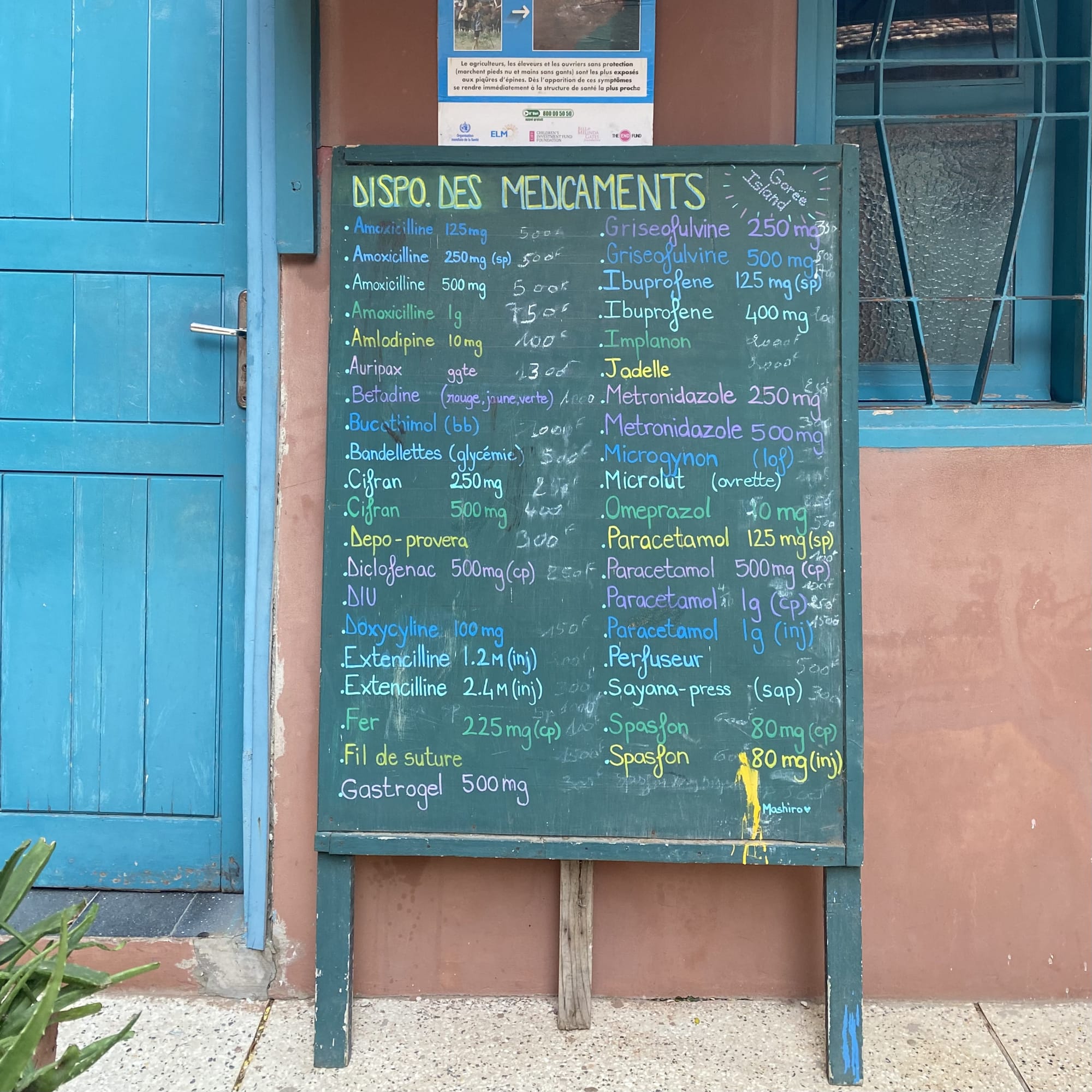
The cleanliness associated with conventional medicine? Check. The option for pharmaceutical prescriptions? Check. One thing remained: the glaring reality that disproportionate maternal support is a shared experience between rural and low-income communities in Senegal and the Southern parts of the United States.
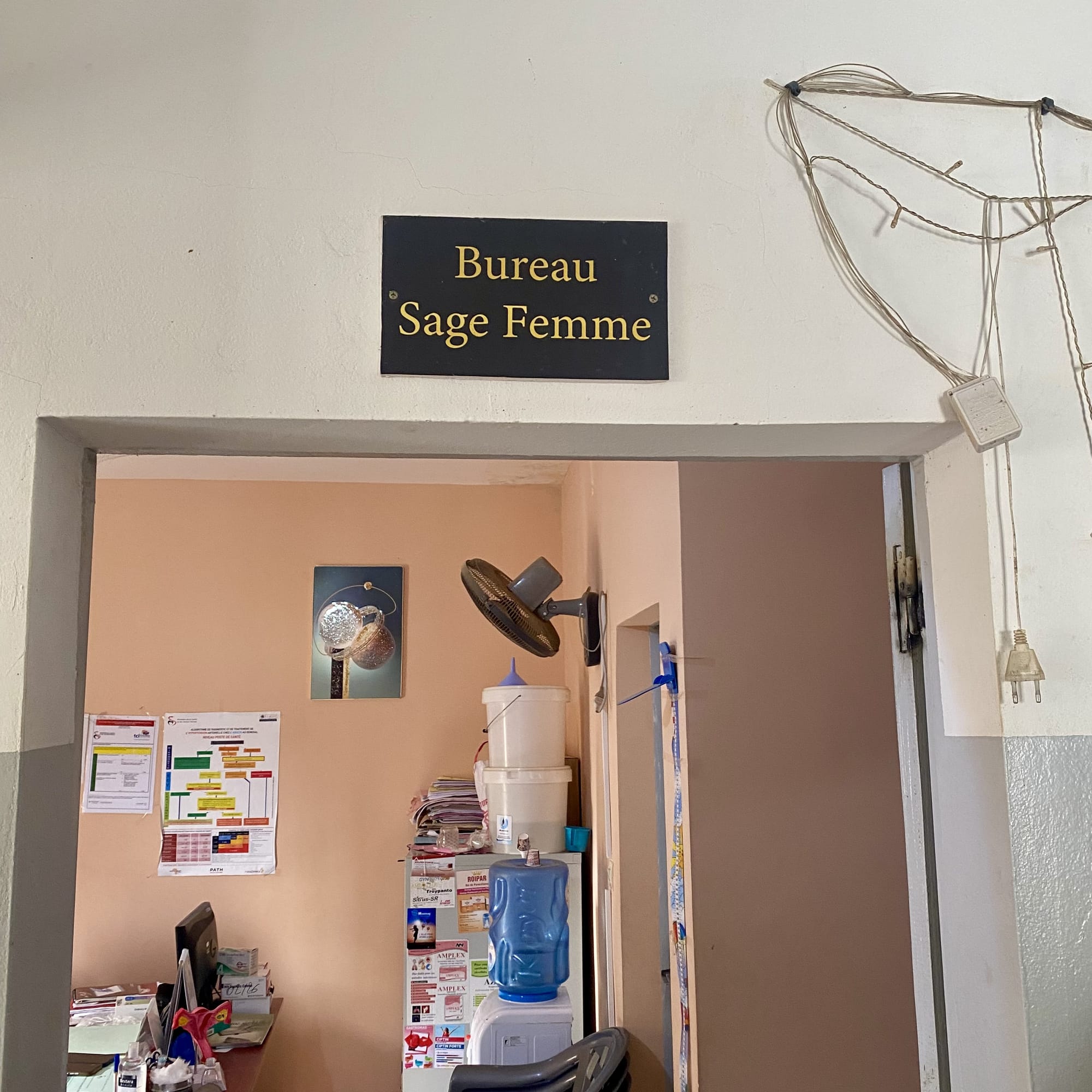
Conversations with local doulas and midwives continued to highlight the disparities between birthing realities of tourists and local clients. In Senegal, obstetric care is divided between a public system that serves a majority of the population and a private sector that primarily provides for tourists seeking a specific birthing experience.
The birth facility on Gorée Island is an example of a Senegalese public health institution, currently serving a population of roughly 1,695 civilians based on 1988-2023 ANSD recensement data and World Population Review Internal Projections. While public health is a common choice for locals, especially in rural areas, many of these patients continue to face barriers such as longer waiting times, limited access to prenatal care, and a lack of labor comfort measures in place. On the other hand, tourist and expat patients under the private sector experience greater access to obstetric care, modern equipment, and the benefits of an international medical environment. Temporary migrations can lead to niche economic developments and unique family experiences. But, without mindful navigation of socioeconomic differences, it can also perpetuate the gap of access and affordability that many native, and often young, parents face.
Socioeconomic disparities propose a parallel in transatlantic birthing experiences for African-American neighborhoods in the Southern U.S. Socioeconomic factors impacting maternal and infant health within these communities include differences in health insurance coverages, disproportionate economic hardships, and administrative movements, including the overturning of Roe v. Wade and the defunding of staffing and programs within the U.S. Department of Health and Human Services (HHS). These barriers, systemically rooted in racism and discrimination, continue to play a central role in the shaping of maternal and infant health outcomes of the US.
Regardless of the availability of evidence-based interventions, there is a continued lack of support for marginalized communities in Senegal and Southern parts of the United States. Efforts such as the increasing presence of doulas in hospital settings, pharmaceutical advancements, and infection control regulations demonstrate the progressive motion for supportive birth experiences. However, African and African-American prenatal patients continue to experience socioeconomic inequities that can negatively impact birth outcomes and parental well-being.
The Future of Medicine & Conscious Collaborations
Science has gone on to open miraculous and mind-bending doors. Pharmacology has evolved from the documentation of early civilization plant-based medicine to the formulation of antibiotics and vaccinations. Biotechnology has transformed the reality of family planning possibilities, creating innovations such as in vitro fertilization and, more recently, the emerging discussions of CRISPR–a gene-editing tool that allows the modification of DNA in living cells.
As medical sciences evolve and healthcare expectations shift, traditional healers, such as the Senegalese medicine man, represent the essential presence of transgenerational healing modalities and communal ecosystems in healthcare settings. With that being said, there is no intention to disregard the advancements of conventional medicine. The presence of globally effective tools for diagnosis, treatment, and disease control has been paramount to the preservation of humanity.
It is not a matter of choosing one medical framework over the other: rather, how can a lasting healthcare system be built that is rooted in science, mindful of spirit, and adequate in fulfilling the evolving needs of society? While societies navigate the interconnectedness of globalization and multicultural lifestyles, the future of medicine calls for a framework that is comprehensive, collaborative, and conscious.